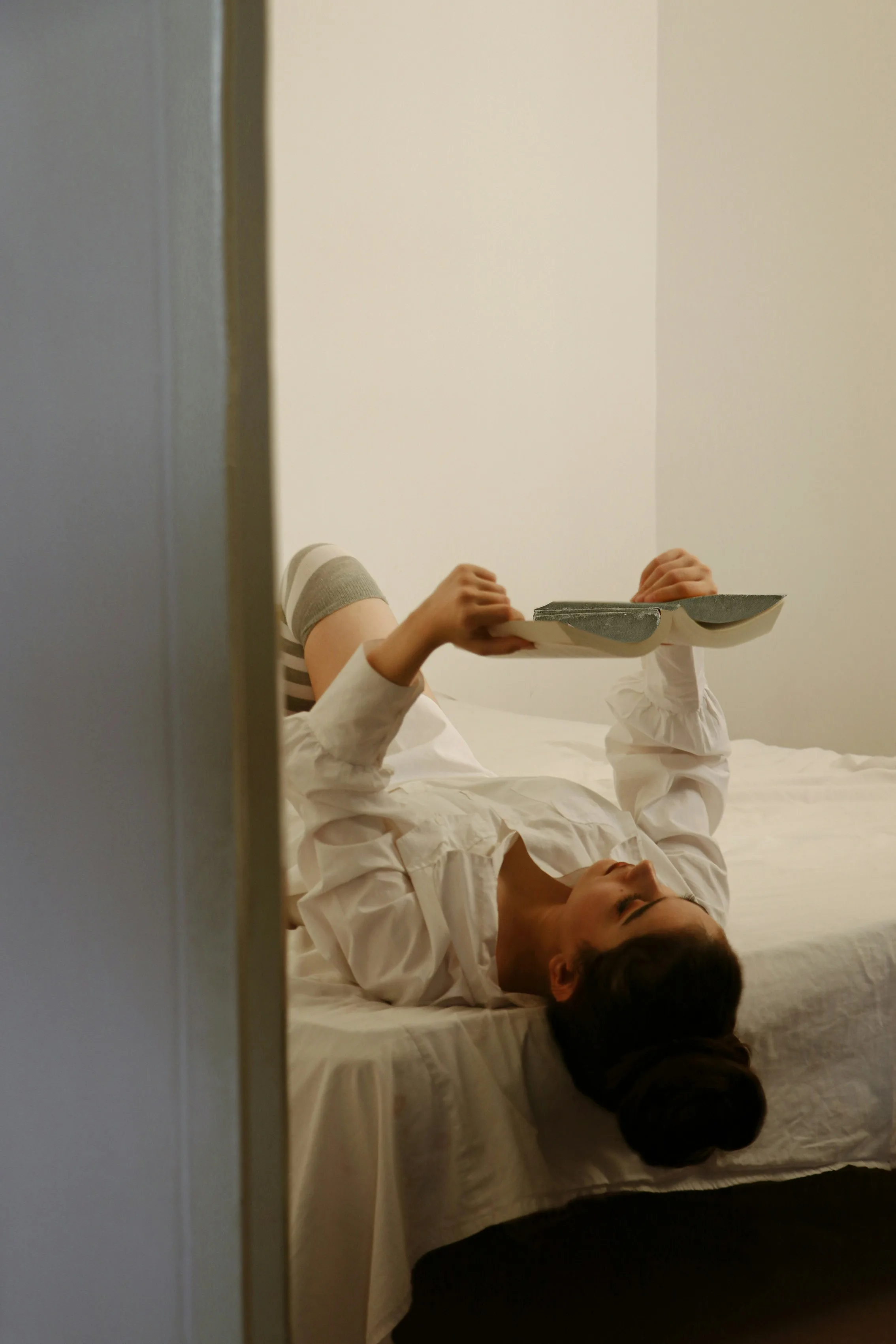
When you are planning a spa appointment, it is easy to think only about the massage itself. But the experience usually starts before you arrive and continues after the treatment ends. That is why massage preparation tips matter. A calm, thoughtful approach helps you feel more settled, speak more clearly, and leave the session feeling more at ease. The best preparation is not complicated; it is practical and focused on comfort.
What to do before arriving
Before your appointment, it helps to confirm the session details: arrival time, duration, type of treatment, and any special instructions. This can prevent last-minute surprises and help you avoid feeling rushed. If you are unsure whether a service includes oils, a certain treatment style, or a consultation, it is reasonable to ask before you arrive.
Try to plan your day so you are not coming into the session already stressed or in a hurry. If you have had a busy day, a short pause before the appointment can help you settle. Arriving a little early gives you time to change, breathe, and mentally prepare without feeling pressured. This is especially useful for first-time guests or anyone who feels a bit nervous about a new treatment.
It is also helpful to think about what you want from the session. Do you want deeper pressure, a gentler experience, or a bodywork approach that helps with shoulder tension? Even a simple idea helps your therapist adjust the treatment to your needs. If you are not sure, you can still say that you prefer a moderate, soothing treatment and ask for feedback.
Clothing and personal preparation
One of the most common questions before a massage is what to wear and how much to remove. The answer depends on the treatment and your comfort, but you should not feel pressured into anything that makes you uncomfortable. Most professional establishments explain the process before the session begins. The important point is that you are allowed to choose what feels right and to ask questions if you are unsure.
Before arriving, consider what you will wear for the journey and how easily you can change. It is often more comfortable to arrive in loose, easy clothing rather than a tight or restrictive outfit. Keep in mind that you may want to take a moment to freshen up after travel or before the treatment begins, so a light, comfortable outfit makes the transition smoother.
If you have any sensitivities to oils, lotions, heat, or fragrances, it is worth flagging that before the massage begins. That is a very normal part of good communication. A therapist can usually work with your preferences as long as they know what matters to you.
Eating and hydration considerations
Food and hydration are part of a comfortable appointment. It is usually helpful to avoid eating a heavy meal right before a massage because feeling full or uncomfortable can distract from the session. A light meal or a snack a few hours beforehand is often a better choice than arriving very hungry or overly full.
Hydration matters too, although it does not need to become complicated. Drinking water is a healthy everyday habit, and staying hydrated may help you feel more comfortable before and after the session. It is generally best to avoid overdoing anything intense in the hours leading up to a massage, especially if you are already carrying stress or fatigue from a busy day. The goal is simple comfort, not a rigid checklist.
After the treatment, many people feel more relaxed and may appreciate drinking water in a calm, unhurried way. That said, there is no reason to treat post-treatment hydration as a strict rule that must happen in a certain way. The best approach is to listen to your body and keep your routine balanced.
When to communicate medical or physical concerns
It is good to mention any physical concerns before the treatment begins, especially if you have areas of tenderness, recent aches, or a condition that affects comfort. This helps the therapist understand what to avoid or how to adjust the session. It also helps you avoid needing to “push through” discomfort when you should have spoken up earlier.
Examples include recent muscle strain, injury, pregnancy-related precautions, or heightened sensitivity in certain areas. These are not signs of being difficult; they are practical details that allow the treatment to be more suitable. If there is a reason you are not comfortable with certain pressure or techniques, it is best to mention that early rather than trying to manage it silently.
It is also reasonable to mention any skin sensitivity or allergies. If you know a product or a scent bothers you, tell the therapist before the treatment begins. That kind of communication is part of informed, respectful care and it can prevent discomfort later in the session.
What to discuss during consultation
The consultation is where the treatment becomes personal. Before the massage begins, it is worth discussing what you want the session to feel like. Do you want a soothing, relaxing experience? A more energizing, structured approach? A moderate treatment that helps with shoulder and back tension? These questions are practical and can help the therapist match their approach to how you feel.
It is also helpful to mention if there are any areas you would like to avoid, if you prefer a certain pressure range, or if you would like more or less conversation during the session. A calm, clear discussion makes it easier to adjust the treatment before it starts. It also reduces the chance of feeling unsure once you are lying down and the session is underway.
One of the biggest mistakes guests make is to assume the therapist should know exactly how they feel without being told. In most cases, your therapist can only respond accurately if you share your preferences. Asking a few clear, direct questions is part of good preparation.
Communicating comfort during treatment
Comfort can change during a massage session. You may start out relaxed and then realize a certain area feels more sensitive. Or you may realize that a different level of pressure feels better once the body is warm. That is normal. You should feel free to say something without apology.
It is perfectly fine to ask for a lighter touch, to say that an area is tender, or to request a pause. You may also ask the therapist to stop working on a certain area if it is uncomfortable. The goal is not to be stoic. The goal is to create a session where your body feels supported rather than pressured.
Good communication also includes being honest if you want less conversation or a calmer environment. Therapists can adapt. If you prefer a more quiet, rest-focused session, that is completely reasonable. A massage is not a one-size-fits-all experience; it should feel right for you.
Sensible after-session care
After the massage, the best aftercare is usually simple and low-pressure. Take a moment to rest and notice how your body feels. Some people feel a natural sense of depletion or deep relaxation, while others feel refreshed and alert. Both can be normal. The main point is that the body may need a bit of time to settle from the treatment.
Hydration can be a helpful part of aftercare, as it supports your body’s normal functions and may help you feel more grounded after the session. A gentle routine afterwards is often better than a hectic schedule. If you have a busy evening, keep it simple: eat something light if needed, drink water, and avoid forcing yourself back into intense physical activity immediately after a massage if your body feels tired.
Many guests also find that keeping the rest of the evening calm helps them enjoy the relaxation benefits more. This might mean a slower pace, a warm shower, or a quiet evening at home. Massage is not a license to overdo anything; it is more useful when it fits naturally into the rest of your routine.
What to do if discomfort occurs
Sometimes discomfort shows up after a massage, even when the session felt fine at the time. This may be mild and temporary, or it may signal that the body is responding more strongly than expected. If you feel unusual soreness, persistent discomfort, or a general sense of feeling “off,” it is sensible to slow down and listen to your body.
If the discomfort is mild and gradually fades, that may simply be a normal response to a session that was deeper or more active than usual. If it continues or feels concerning, it is appropriate to speak with a qualified healthcare professional. This is not about fear; it is about being responsible with your body and understanding that massage is a wellness practice rather than a medical treatment.
Good massage aftercare also means not forcing yourself to be active in a way that feels draining. You might pace the rest of the day, avoid intense exercise right away, and give the body space to settle. The aim is to support recovery without creating a new source of stress.
Frequently asked questions
What should I do before a massage?
Arrive a little early, avoid heavy meals right before the session, and be ready to discuss comfort preferences, pressure, and any areas to avoid.
Should I drink water before or after a massage?
Hydration is generally a healthy habit both before and after a massage, but balance matters. A calm, consistent routine is more useful than trying to overdo it.
Can I mention medical concerns before booking?
Yes. Sharing relevant medical or physical concerns helps the therapist adapt the session and reduces the chance of discomfort.
How should I prepare my body before a massage?
Wear comfortable clothing, avoid feeling rushed, and take a few minutes to settle before the session begins. A relaxed body responds better to touch.
What should I do after a massage if I feel tired?
Take it slowly, rest if needed, and keep your evening unhurried. A calm post-session routine often helps the benefits last longer.
What if I do not know how to describe my comfort preferences?
Keep it simple. You can say whether you want a gentler, moderate, or firmer experience and ask for adjustments if needed.
Related wellness articles
Prepare Well, Relax Better
For a smoother spa experience, arrive relaxed, speak clearly about comfort, and keep the rest of your day unhurried after the session.
203 Greenwood Plaza, Sector 45, Gurugram, Haryana 122003
+91 70650 79418